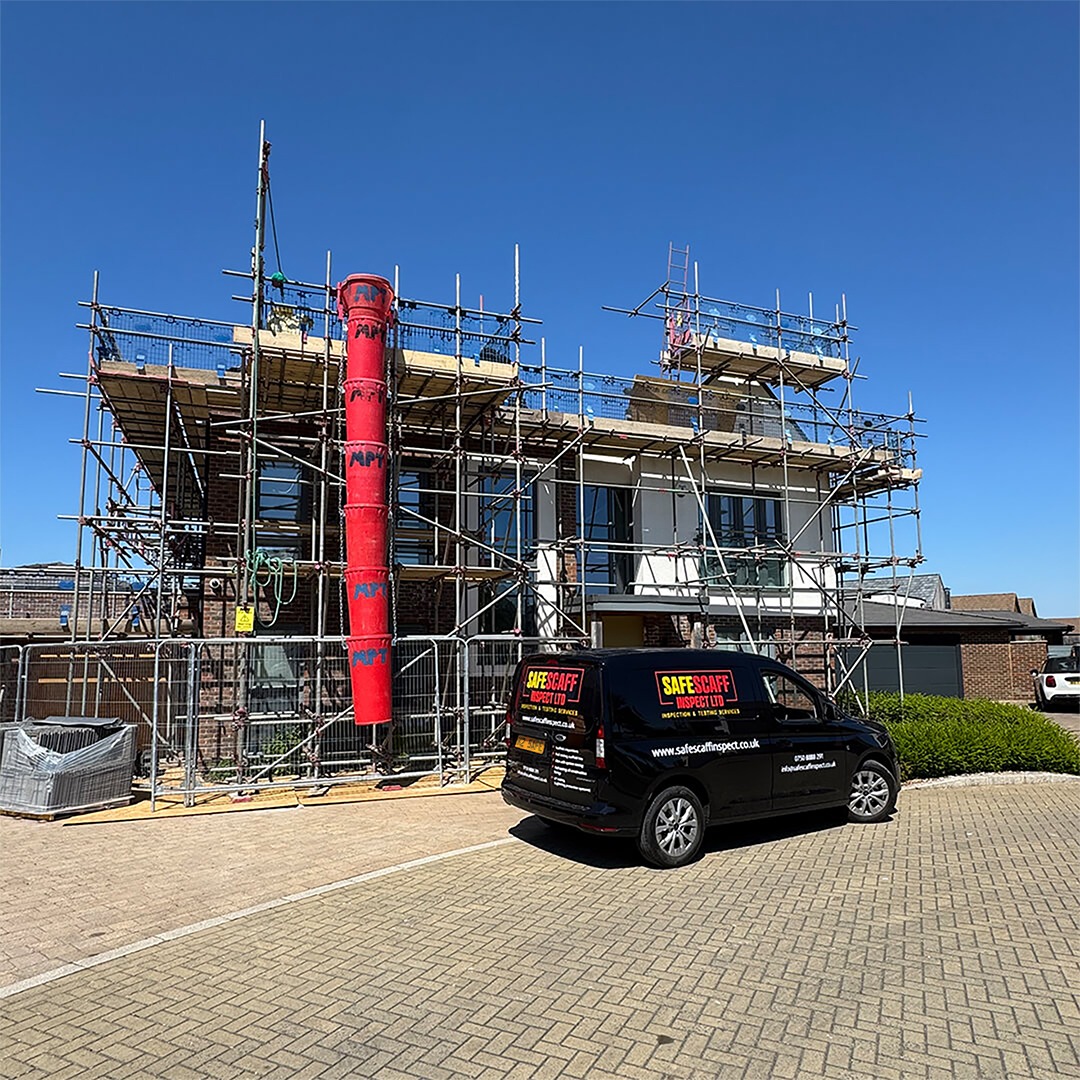


Scaffold inspections ensure that all features of the scaffold, guardrails, and anchor points are safe before anyone steps onto the scaffolding. This keeps sites compliant with Work at Height Regulations. At commercial premises, several trades are working on the scaffolding every day. This implies that commercial scaffold inspections are not optional; they must be conducted. Under UK legislation, a competent person must inspect all scaffolds at least once every 7 days.
For site managers and contractors, the knowledge of this process could prevent delays, fines, and accidents.
What are commercial scaffold inspections?
Commercial construction scaffold inspections are formal safety inspections conducted on construction and industrial sites. They validate the scaffolding’s ability to support and be safe to use. Commercial projects have higher loads, more workers, and longer timelines compared to residential jobs. That makes regular inspection even more important.
The entire structure is inspected by a competent person, from base plates to guardrails. They also provide a written report at the end of each visit. This report is filed as part of the safety record of the site. It’s often requested after incidents or audits.
Why are commercial scaffold inspections essential for UK safety compliance?
Commercial scaffold inspections are conducted in order to adhere to the legal guidelines of the Work at Height Regulations 2005 and aim to ensure that workers are protected from injuries associated with falls. Strong commercial scaffolding safety practices start with this kind of routine oversight.
-
Legal compliance
The UK legislation stipulates that all commercial scaffolds must be inspected before use and then again every 7 days after. Failure to do this is in contravention of the Work at Height Regulations 2005.
-
Worker safety
Regular checks can identify loose fittings, missing guardrails, and unstable bases before anyone starts climbing the structure, reducing the risk of a fall.
-
Project continuity
An unnoticed fault may cause a scaffold to be withdrawn during the project. Sudden shutdowns and delays are avoided with scheduled inspections.
-
Audit readiness
Written inspection reports provide evidence of compliance that can be used for HSE or insurance inspections at any time.
What are the scaffold inspection requirements for construction sites in the UK?
Scaffolding should be inspected before use and every 7 days thereafter. It should also be checked after any event that may impact stability. This applies to every construction site scaffold inspection, regardless of scaffold size. Requirements include:
- Inspection before the scaffold is first used
- Reinspecting the structure if it has experienced high winds, heavy rain or changes.
- A written report available on-site at all times
Inspectors need to be competent. This indicates that they hold recognised training and practical experience in the assessment of scaffolds.
Who is responsible for commercial scaffold inspections on construction projects?
The principal contractor or duty holder of the site has a legal obligation to arrange inspections under current scaffold inspection regulations UK businesses must follow. However, the inspection itself should be performed by a competent, independent and qualified person. This maintains the objectivity of the process.
Many commercial projects choose to engage an independent inspection provider that works strictly within commercial scaffolding regulations. This prevents dependence on just the contractor who constructed the structure. It also removes conflicts of interest and provides an unbiased evaluation for site managers.
How often should commercial scaffolding be inspected?
Generally, commercial scaffolding must be inspected weekly. There is a need for further inspection before use and after changes in weather conditions or structural conditions. It meets the minimum scaffold safety compliance requirements set out for construction sites.
-
Standard weekly cycle
A formal inspection every 7 days will identify wear from site traffic and day-to-day use. It is applicable to all commercial scaffolds irrespective of how long it’s been standing.
-
When is the time for immediate inspection
An immediate reinspection is required after storms, high winds, or structural changes. This is regardless of when the last scheduled check was done. There are also informal checks that are sometimes done between formal checks, especially in busy sites.
What do inspectors check during commercial scaffold inspections?
The integrity of the structural stability, platform safety, guard rails, base conditions and anchor integrity is inspected as part of routine scaffolding safety inspections. All the elements are assessed on the same criteria. This is not only for a small refurbishment, but also for a large commercial building. Checks cover:
- Damage or bending at the standards, ledgers and transoms
- Sole boards for cracks, gaps, or instability
- Guardrail and toe board at all open edges
- Anchor and tie strength within load-bearing capacity
Conclusion
Commercial scaffold inspections are a compulsion for every construction site. They maintain construction site scaffold safety while keeping projects on schedule and compliant with all applicable requirements. Safe Scaff Inspect works with principal contractors and site managers across London, Essex, Bedfordshire, Hertfordshire, and Buckinghamshire, delivering CFA-approved anchor testing with each scaffold check. If your commercial project needs a reliable inspection partner, call 07508888291 or request a quote to book an inspection.