

All scaffold structures on a construction site in the UK are required to undergo a legal inspection; if they do not, workers are at risk, and the contractor is in breach of the law. Scaffold inspection services cover a formal review of a scaffold structure to assess safety, stability, and regulatory compliance before access is granted. The Work at Height Regulations 2005 and the CDM Regulations 2015 provide the framework, and both require duty holders to comply with clear obligations at every stage of a project.
It is a joint responsibility of construction companies, site managers, scaffold contractors, and property developers to adhere to scaffolding inspection guidance. If that isn’t followed, contractors could face HSE enforcement, project delays, and, in the worst cases, serious injury. Professional scaffolding inspection specialists provided by a competent, qualified team ensure work sites remain in compliance with the law and protect workers.
Why Scaffold Inspections Matter
Scaffolding inspections in the UK are a legal requirement for worker safety and compliance with the Work at Height Regulations 2005.
Falls from height are the major cause of fatal injuries in the UK construction industry, according to HSE annual statistics. Therefore, meeting scaffold inspection requirements detects the structural failures before they cause harm. A platform that appears stable can conceal hidden defects, such as a loose tie, a displaced board, or an overloaded bay, which only a trained inspector can identify through systematic checking against a scaffold inspection checklist.
Missing just one element is enough to cause a scaffold to fail. Meeting inspection requirements protects workers who have no visibility into structural decisions made above or below their level. It limits liability for principal contractors and site managers. It keeps projects on track by catching defects. Getting inspections right is cheaper, faster, and safer.
UK Legal Requirements for Scaffold Inspections
Mandatory 7-Day Scaffold Inspection Rule
Under Schedule 7 of the Work at Height Regulations 2005, scaffolding used as a working platform must be inspected before first use, after any event likely to have affected its stability and strength, and at intervals not exceeding 7 days. These weekly scaffolding inspection requirements apply to all scaffold structures on UK sites.
Failure to meet weekly scaffolding inspection requirements can result in:
- HSE improvement or prohibition notices
- Prosecution and significant fines
- Project shutdowns pending compliance
Inspection Records & Compliance
The competent person must record each inspection before the end of the working period in which it was carried out. Records must include the scaffold location, type and purpose, date and time, any matter that could give rise to risk, and the name of the inspector. All records must be digitised to make them easier to log and retrieve.
Who Can Inspect Scaffolding?
UK law requires a competent person to carry out scaffold inspections. Competence means formal training, relevant experience, and the practical ability to identify defects and assess risk accurately. This cannot be delegated to a general laborer or unqualified site operative.
SafeScaffInspect provides qualified scaffold inspectors to conduct compliant inspections across construction sites and property projects of all sizes. Each inspector understands both the technical requirements of the structure and the legal framework following scaffold compliance, ensuring every report stands up to scrutiny from the HSE or an insurer.
Scaffold Inspection Checklist
1. Foundations & Stability Checks
The base of any scaffold determines the integrity of everything above it. Inspectors check:
- Sole plates and base plates are correctly positioned and undamaged
- The scaffold is on the ground, capable of bearing the imposed load
- Standards are vertical and adequately braced
- No waterlogged or disturbed ground beneath standards
2. Guardrails & Edge Protection
Inspectors verify:
- The top guardrail is at the proper height, generally 42 inches for top rails and 21 inches for mid-rails.
- An intermediate guardrail is in place and undamaged
- Guardrails are continuous around the full platform perimeter
3. Scaffold Platforms & Boards
Inspectors confirm:
- Platforms are fully boarded with no gaps
- Inspects the plank for splits, cracks, or warping
- Boards meet thickness requirements, and span permitted distances
4. Scaffold Tags & Warning Signs
Tags must be updated, correctly positioned, and match the structure’s actual condition. Green means safe to use. Red means out of use. Missing or outdated tags are a compliance failure.
Scaffold Inspection Reports & Compliance Documentation
Every inspection produces a paper trail that duty holders must maintain throughout the project and beyond. Here is what that documentation must include and how it should be managed.
What a Scaffold Inspection Report Includes
A compliant scaffold inspection report should include the following:
- Address of the site and location of the scaffold
- A record of the date, time, and inspector credentials
- The condition of every structural element
- Any defects found and action needed
- Confirmation of whether the scaffold is safe to use
- Reference to the findings of the last inspection
Digital vs Paper Inspection Reports
Paper reports are compliant but also bring practical risks. They are lost, damaged, or completed inconsistently.
Whereas digital inspection platforms such as Inspect7 generate time-stamped, geolocated records that are instantly accessible to all authorised users. The digital inspection system integrates report generation and on-site scaffold tagging, keeping them in sync at all times. Site managers & principal contractors will receive reports on the same day.
Common Scaffold Defects Found During Inspections
The most common scaffolding defects found during inspection are:
- Missing or damaged guardrails
- Improperly fixed or absent ties
- Overloaded platforms
- Board with excessive overhang or gaps
- Damaged or missing base plates
- Incorrect scaffold tag status
Commercial Scaffold Inspection Standards
In addition to legal responsibilities, commercial sites also have other public safety pressures. Scaffolding in proximity to occupied properties or public spaces will heighten contractors’ duty of care. Our specialist team conducts scaffold compliance inspections for commercial projects throughout the UK, and all reports are completed for submission to clients, insurers, and planning authorities.
How Industrial Scaffold Inspections Work in the UK
Industrial scaffolding inspections in the UK follow a more rigorous process. Power stations, refineries, petrochemical plants, and manufacturing facilities have higher load classifications and longer project durations and are exposed to environmental and chemical hazards. The industrial inspection is specific to the design brief and risk assessment for each site.
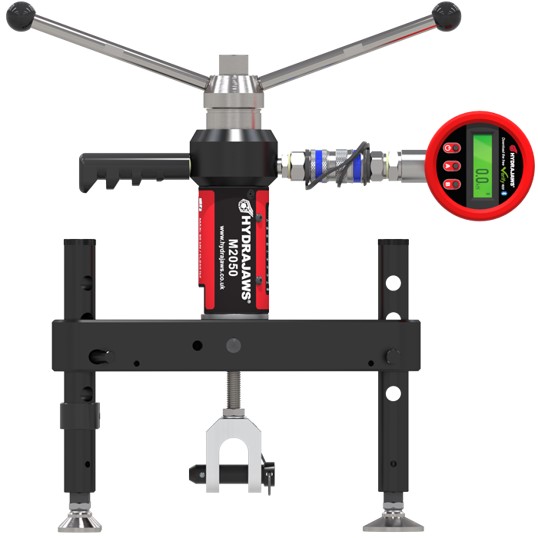
- Scaffold anchor pull testing and tie testing explained classifications Ties and anchors are used to secure the scaffold to the building. Scaffold anchor pull testing measures the load-bearing capacity of ties using calibrated equipment operated by CFA at the job site to secure the testers. Each anchor is subjected to a fixed test force load, and the tester records the result. This confirms that all ties comply with the specified capacity throughout the project and provides a documented record of the structural integrity.
- Lightning Protection for Scaffolding Scaffolds that extend above other buildings or are erected in an open area require scaffold lightning safety systems. The team installs and tests these systems to meet BS EN 62305 standards, ensuring conductor continuity, resistance values, and secure bonding at each connection.
- Safety Harness Inspection Rules for Working at Height If workers are working on or around the scaffold with personal fall protection equipment, the competent person shall conduct a formal inspection of the harnesses using the harness inspection guide once every six months. All of the harness inspections include buckles, stitching, connectors, load indicators, and webbing. Worn, UV-degraded, or damaged harnesses will be pulled from service immediately.
- Weekly Scaffold Inspections in the UK The mandatory weekly scaffold inspections run on a fixed schedule. Inspectors complete the full checklist, update digital records, replace tags, and notify the site manager of any defects.
Scaffolding Inspection Costs & Prices in the UK
Several factors influence the scaffold inspection services cost. The scaffold size and complexity, number of lifts, inspection frequency, and any additional testing, such as scaffold anchor pull testing or lightning protection checks.
For most residential and commercial scaffolds, a weekly inspection programme is an affordable, cost-effective way to ensure continuous legal compliance. Contact the team directly to get a site-specific quote.
Best Practices for Scaffold Safety Compliance
Compliance starts before the first inspection. It is the responsibility of site managers to ensure that the scaffold erector completes a formal handover inspection before any operational work is carried out on the scaffold. If there is any change to the structure, such as adding lifts, extending it, or removing ties, a new inspection is required before workers return to the modified scaffold. Carry out visual checks after adverse weather between formal inspection dates. Maintain all records on-site, up-to-date, and easy to access.
How to Choose a Scaffold Inspection Company
Choosing the right scaffold inspection company directly affects your site’s legal standing and worker safety. Not every provider operates to the same standard, and appointing an underqualified team creates compliance gaps. While looking for a scaffold inspection company, you must consider these factors:
- A trusted company must carry proper licensing and insurance
- Employs inspectors with verifiable qualifications
- Confirm the company uses a digital reporting platform
- The company holds proven safety records
- Experience with your type of project
- Transparent pricing and detailed quotes
Get in touch with our team to discuss your site requirements.
Conclusion & Book a Scaffolding Inspection
Our scaffold inspection services protect your workers, fulfill your legal obligations, and keep your project on schedule. If your site needs a qualified, independent inspector who delivers clear, audit-ready reports and a standing weekly program, get in touch with our team at SafeScaffInspect to book your next inspection.
Call us on 07508888291 or email the team to know more about our scaffold inspection services and book today!