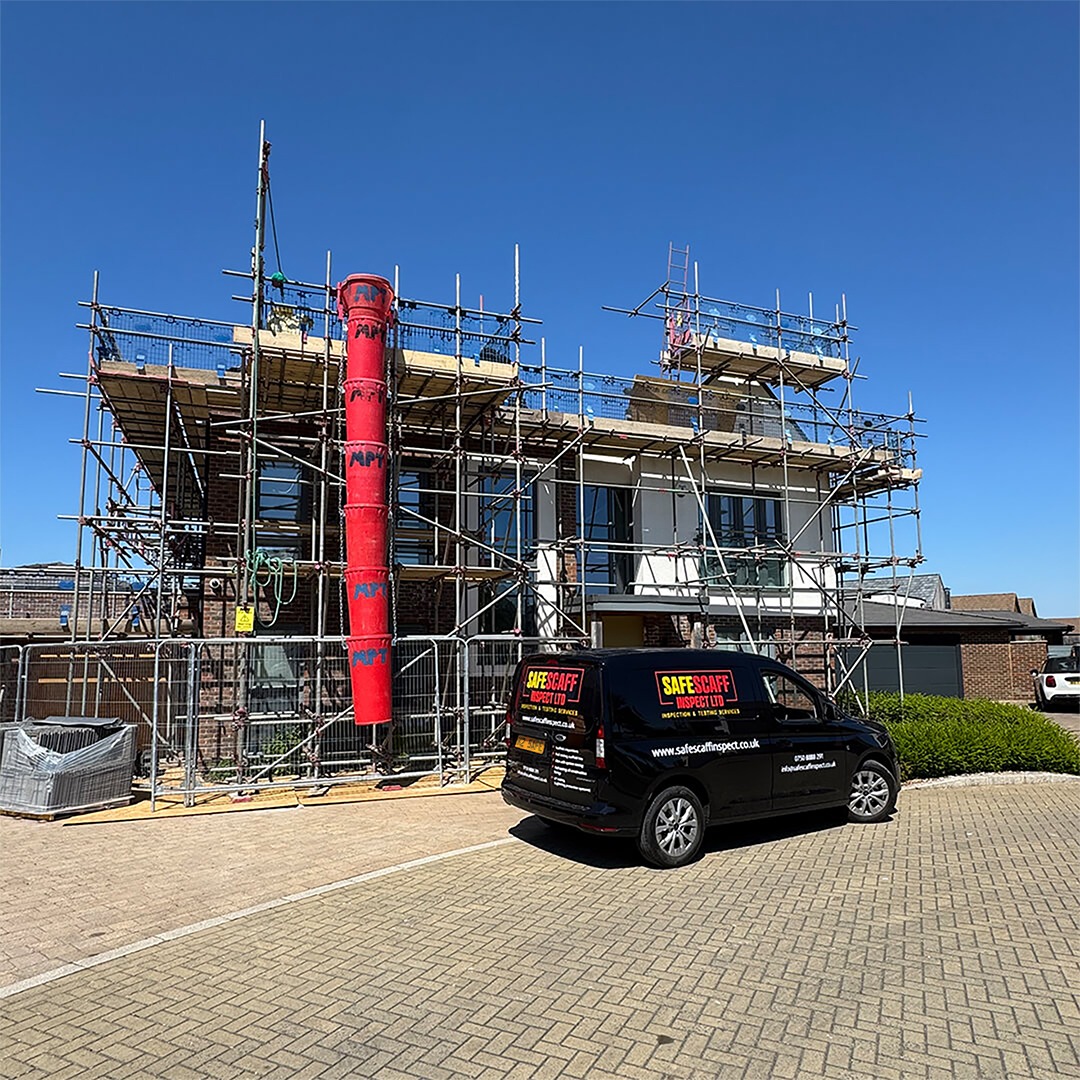

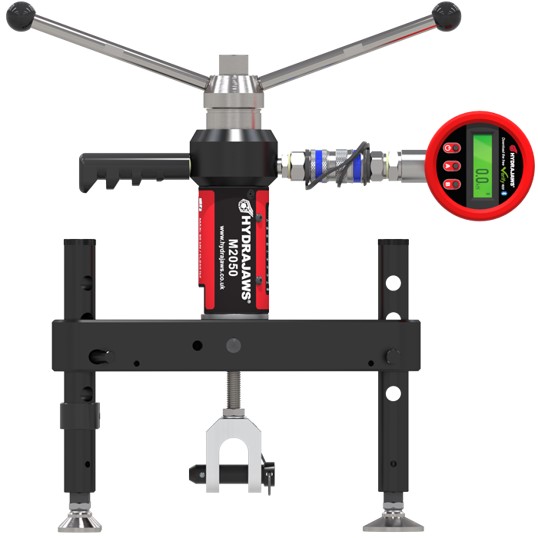
The physical testing of scaffolding anchors to ensure they can safely support the specified loads is called scaffold anchor testing. The answer is short and sweet for scaffold anchor testing: it is required when a tied scaffold is set up and should be performed before any work at height.
You don’t want to be liable for serious issues and project delays, and you certainly don’t want to be responsible for preventable accidents if you’re not sure when and why a scaffold anchor test is legally required in the UK. This scaffold anchor testing UK guide details the steps, when to do them, and who should do them.
What Is Scaffold Anchor Pull Testing?
Scaffold anchor pull testing is a controlled-load test performed on a single anchor in a scaffold tie system. It requires applying a specified tensile force with specialist pull testing equipment to each anchor to ensure each anchor is sufficiently secure to withstand that force before anything is placed on the scaffold.
The scaffold anchor testing procedure is conducted in accordance with the latest industry practice and the working-at-height regulations in the United Kingdom. Results are documented and form part of the site safety record, providing clients, principal contractors, and inspectors with evidence of compliance with the structural requirements of the tie system.
When done properly, the scaffold anchor testing procedure will not harm anchors. It is one of the most reliable methods for verifying whether a fixing has been installed in a suitable substrate capable of supporting the proposed load.
When Is Scaffold Anchor Pull Testing Mandatory?
Thinking about when scaffold anchor testing is mandatory? There are several definite situations in which scaffolding anchor testing is required. Knowing the testing requirements for scaffolds can enable contractors and clients to respond appropriately to a safety incident rather than waiting for one to occur.
Scaffolding should always be tested when it is tied to another structure(s) where there is some doubt about the substrate integrity and when the building facade is old, damaged, or made of a material with varying compressive strength, e.g., an old brick wall, a rendered surface, etc., and when there is a specific minimum anchor capacity specified in the scaffolding design that cannot be assumed without testing. Reputed scaffold pull testing service providers cover scaffold anchor testing requirements.
In the UK, mandatory pull testing is included in the Work at Height Regulations 2005, which stipulate that all equipment used at height must be suitable, stable, and strong enough. In cases where site conditions are insufficient to confirm that the substrate meets the design assumptions, the expected professional practice is pull testing, which is often stipulated in contracts.
Why Scaffold Anchor Testing Is Essential for Safety and UK Compliance
Testing is not an option when you can’t assure anchor integrity by visual inspection.
Scaffold Anchor Testing is crucial for safety and UK compliance. Scaffold anchor testing regulations UK are a key requirement for safety and compliance.
The entire scaffold system must function as intended to be safe, and the anchors connect the scaffold to the building. An unstable scaffold, leaning or partially collapsed due to anchor failure, can cause serious injuries that may prove fatal and carry serious legal implications for all parties in the contractual chain.
Legislation relating to work at height requires employers and principal contractors to ensure that safety structures for working at height, such as scaffolds, are erected, inspected, and tested by competent persons. The Health and Safety Executive regulates scaffold anchor testing in the UK, and a routine aspect of investigations after scaffold incidents is checking that the anchors’ capacity was appropriately established before the work.
Pull test results are also documented, providing a business with protection. The viability of making insurance claims and proving liability after scaffold accidents largely depends on whether proper due care regarding scaffold safety compliance was actually demonstrated and documented. TG20 scaffold guidance is followed.
Who Should Carry Out Scaffold Anchor Testing?
Hands-on experience in pull testing procedures and load verification is required for qualified scaffold inspectors to conduct scaffold anchor testing. Competent scaffold testing specialists will have a proven track record, the required calibrated equipment, and will clearly document the test results for each specific anchor on each scaffold.
When selecting a professional scaffold anchor testing company, you can be assured that results are recorded independently and can be defended and challenged, if necessary. When dealing with multiple sites and/or programmes, having dedicated, qualified scaffold inspectors ensures a consistent, traceable safety record across each project.
To knowingly and thoroughly test a scaffold for pull, you must contact our scaffold pull testing services UK.
Conclusion
Scaffold anchor testing is not a box-ticking exercise. This is an important safety measure to prevent injuries to workers, site visitors, and occupants of the building to which the scaffolding is attached. As a principal contractor, site manager, or building owner, you want to ensure that your project is compliant with the law and that your site is truly safe, and certified scaffold anchor testing is the way to do just that. Construction workers need safety when working at height.
When deciding whether a scaffold configuration needs to be pulled, always consult with a competent person before work is carried out at height.