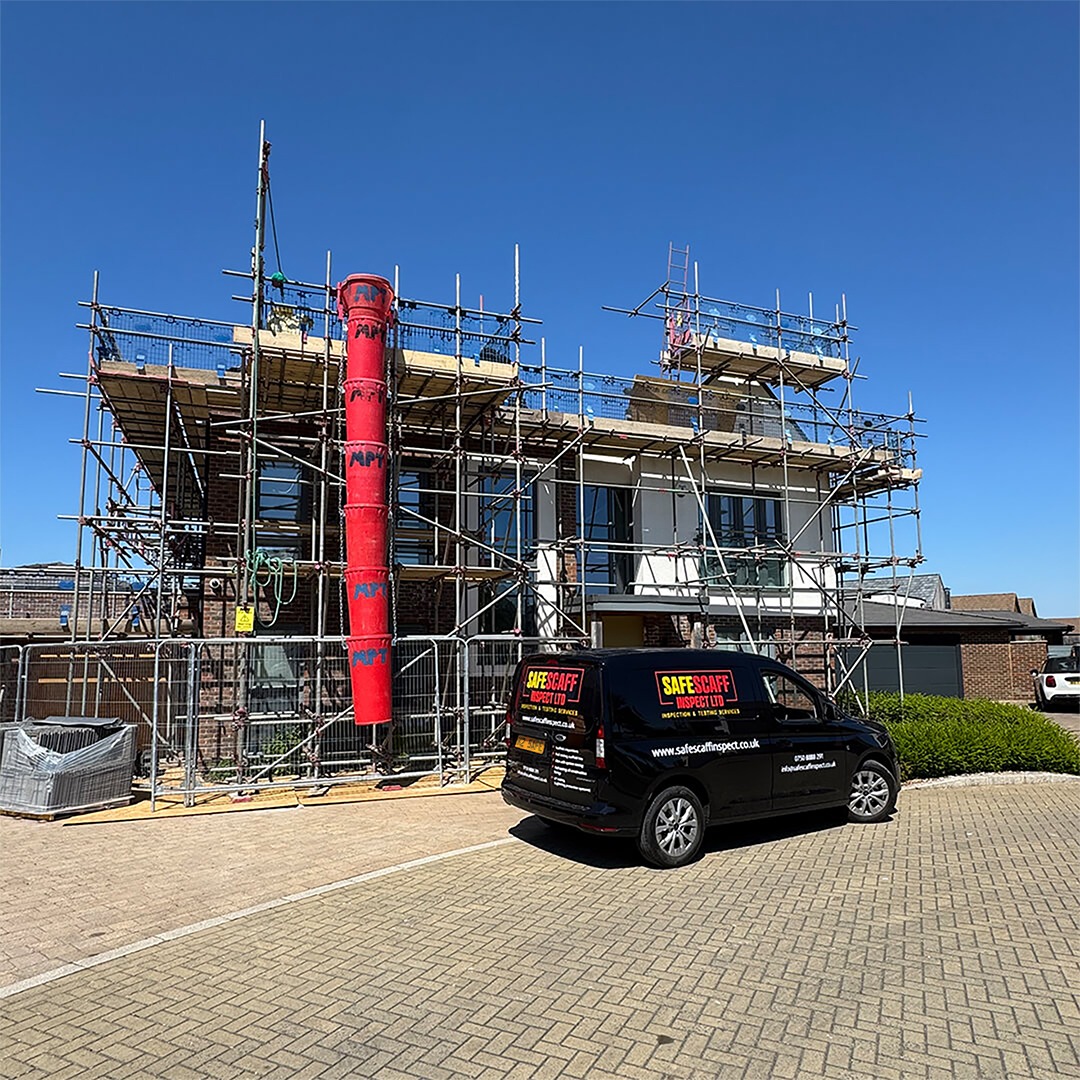


Loose fittings, missing guardrails, and unstable base plates are the most common defects in scaffold safety inspections. Damaged boards, faulty anchor ties, and ground movement are also identified as common scaffold defects that can create a hazard to a working platform. All these accidents can be prevented by regular scaffold inspections, which is why UK law requires every scaffold to be inspected at least once every 7 days by a competent inspector.
If you manage a construction site, it’s important to be aware of these common problems to ensure you are compliant and to keep your workers safe on scaffolds.
What are the most common scaffold defects?
Loose couplers, missing or damaged guardrails, unsecured boards, and corroded fittings are the most common scaffolding defects. They tend to build up over time due to weather conditions, site traffic, and general wear, which is why regular inspections are more important than one-off inspections.
Scaffold structures are outdoors for weeks. In wet, windy conditions and with temperature fluctuations, the joints loosen, and timber boards weaken. The inspectors who are trained to identify these scaffold inspection defects know exactly where the issues start:
- Connection points and couplers
- The edges and joints of the board
- Tie-ins to the building
What do inspectors check during a scaffold safety inspection?
A scaffold safety inspection checklist includes three basic elements: structural stability, platform safety, and ground conditions. Inspectors systematically review each system, testing every component that carries load or supports access.
-
Scaffold structure and stability
Inspectors check the standards, ledgers and transoms for bends, cracks, or loose couplers. They inspect the bracing patterns and ensure ties to the building are proper and correctly spaced. If the frame is swaying, it will be marked off straight away, as it is one of the most critical findings during scaffold inspections.
-
Platforms, boards, and guardrails
Each board is inspected for cracks, splits and openings large enough for tools or feet to fall through. All open edges should have guardrails and toe boards.
-
Foundations and ground condition
Certain base plates and sole boards require a solid, flat floor underneath. When the ground is soft or waterlogged, it causes settling that misaligns the entire structure. Inspectors look for any signs of shifting, cracking or sinking at the base before signing off.
Which scaffold defects are considered serious?
The absence of base plates, bent or broken standards, and loose ties to the building are serious defects that need to be addressed. These directly impact the scaffold’s ability to bear weight and its sturdiness.
If serious defects are identified, the scaffold is marked as unsafe and cannot be used until repairs are made, and this is a requirement under UK site safety regulations.
Why do scaffolds fail safety inspections?
Most often, the reason for a scaffold’s failure is lack of maintenance, improper construction, or damage from weather and site activity. Even a well-constructed scaffold will fail to meet inspection requirements at a later stage if it has not been inspected since its installation.
-
Common causes of inspection failures
Late inspections, rushed installation, heavy site traffic, and prolonged weather exposure are all causes of failures during inspection. Even small issues left unaddressed compound quickly into structural problems.
-
How a certified inspector reduces this risk
Working with a certified independent inspection provider eliminates the risk of hasty reports or missed defects. They will never issue a permit for unsafe construction.
If you’re choosing an inspection company, our guide on choosing a scaffold inspection company explains what to look for before making your decision.
What are the signs of an unsafe scaffold?
Visible sway, missing guardrails, damaged boards, and rust on connection points are clear warning signs of an unsafe scaffold. Other red flags are:
- Gaps between boards
- Loose or sinking base plates
- Missing or out-of-date scaffold tags
If a scaffold hasn’t been inspected in the last 7 days, that alone is a compliance issue needing attention before anyone climbs it.
How can common scaffold defects be prevented?
Most common scaffold defects can be avoided with regular weekly inspections, quick repairs, and proper erection at the start. Prevention is all about consistency, not just a single complete check.
-
Conduct routine inspections
Site managers who inspect sites every 7 days, after bad weather and before first use, can catch problems early, before they become costly and difficult to address.
-
Inspections with anchor and harness testing
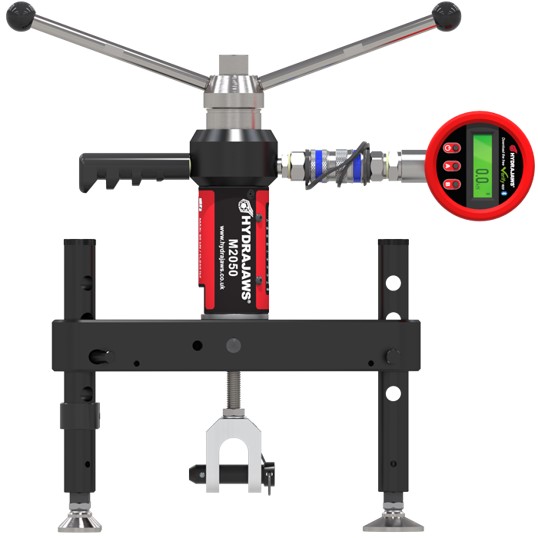
A visual inspection is not a reliable way to determine load-bearing capacity. Weekly inspection, anchor pull testing, and harness checks provide a more complete picture of safety than visual inspection alone.
What should a scaffold safety inspection checklist include?
A well-designed scaffold inspection checklist UK should include checks for structural elements, platform safety, guardrails, base conditions, and tie security. It must also include a written report following each inspection.
Scaffold safety inspection checklist:
- Couplers, fittings and connection points
- The condition of the board and guard rails
- The stability of the base plate and the ground condition
- Integrity and security of the anchor and ties
Having a written report with photos provides a record for site managers and allows them to easily monitor recurring issues.
Conclusion
Scaffold defects are not sudden, which is exactly why weekly inspections matter so much. If the coupler is loose or the base plate is misaligned, it may become a serious issue later, so it’s important to catch it right away. Safe Scaff Inspect provides certified scaffold inspections, anchor pull testing, and safety system checks across London, Essex, Bedfordshire, Hertfordshire, and Buckinghamshire. If you want scaffolding inspections, contact us, book your inspection, and we will ensure your site is compliant and your crew is safe.