
Professional scaffolding services keep you safe when working at height. When booking a scaffolding inspection, the cost depends on the structure’s materials, the labour involved, the tools and equipment required, and the location. A small scaffolding inspection can cost less, while a large one can cost more. Commercial inspections can cost differently from residential scaffold inspections. Let’s look at how much scaffolding inspection costs in the UK and what laws apply.
What Does a Scaffold Inspection Cost?
If you want to add safety, compliance, and integrity to any construction work, scaffolding inspection service is essential. The next important factor is cost. Scaffolding inspection costs depend on site size, inspection frequency, and location. For a larger site, you can get a monthly bundle with a set number of visits, inspections, and license compliance. With reliable experts, scaffold inspection costs are competitive. A professional company keeps scaffolding inspection fees low, making regular inspections easier.
In the United Kingdom, scaffolding inspections must be performed to comply with the law. So, it’s not just an option but a necessity.
What Is Included in a Scaffold Inspection Service?
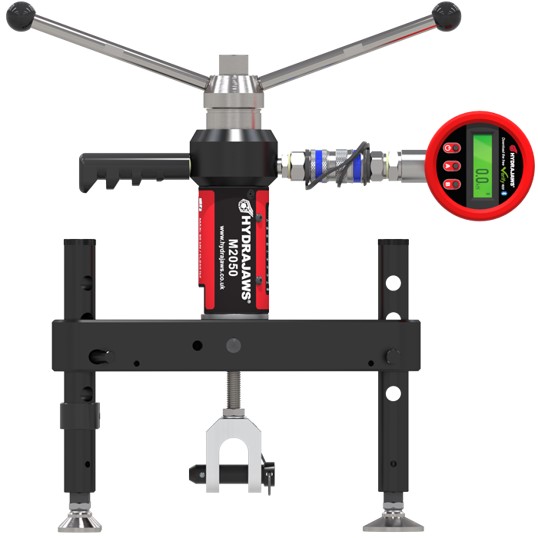
Safety and integrity are very important for any construction work. That’s why you need a standard scaffold inspection service. These include mandatory weekly scaffold inspections, scaffold anchor pull testing, scaffold coordinator services, and lightning protection for scaffolds. Our team of experts is highly trained to conduct inspections across the UK, ensuring every scaffold on site meets the highest standards of compliance and safety.
When Does Scaffolding Need to Be Inspected?
Common scaffolding issues include poorly fixed ties, damaged guardrails, excessive gaps in boards, incorrect scaffold tag status, damaged base plates, and overloaded platforms.
First-time inspection: Scaffolds need to be inspected for the first time after installation. You will mostly get a handover certificate after this. Do not use the scaffold unless it has passed a scaffold inspection test by an expert.
Every 7 days: Ensure scaffolds are inspected every 7 days to avoid mishaps or accidents. This also helps ensure worker safety. If the last scaffolding inspection is more than 7 days old, no one should use it under any circumstances.
Severe weather conditions: Scaffolding inspections are also required during unforeseen circumstances such as severe weather, strong winds, and cyclones. If you notice damage or alterations after the inspection, inspect the scaffolding immediately.
How Can Common Scaffold Defects Be Prevented?
The biggest scaffolding defect is failing to identify construction risks during planning. Unstable equipment, collapses, and electrocution can happen. Other environmental conditions, such as toxic gases, slopes, obstacles, and harsh weather like rain, must be evaluated early. Any failure can create a dangerous situation for workers and reduce project efficiency.
The common mistakes can be avoided by following the following:
- Adhere to the UK’s safety standards during installation and conduct frequent inspections.
- Follow the initial scaffold plan, use the correct attachment points, and do not overload the structure.
- Use high-quality scaffolding. Old and rusty materials can weaken scaffolding and cause collapse or falls.
Conclusion
A professional, reputable company that knows all types of scaffolding and their inspection provides prompt, reliable scaffolding inspection services without hassle. If you want a high-grade scaffolding inspection in the UK, Safe Scaff Inspect can help with compliance, certification, and 100% professional service. Contact the experts today!